
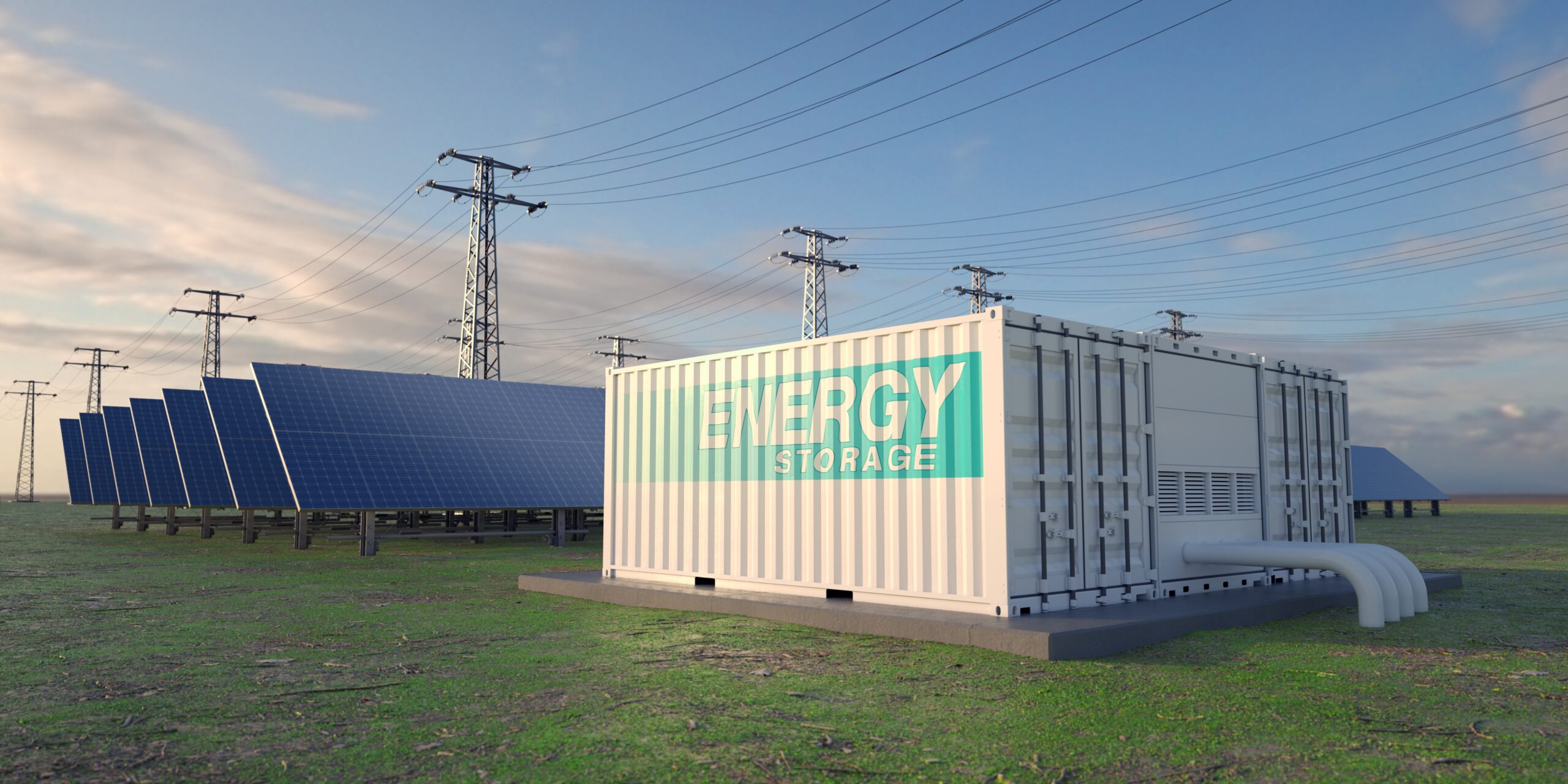
There is increased interest in battery storage technology as the UK transitions towards “green” types of energy generation. Wind and solar produce electricity intermittently and often at times when there is not peak demand from the grid. This surplus power can be stored in industrial batteries and then released to the grid later, when there is more demand for electricity.
Landowners are regularly approached by developers who are keen to secure sites that might be suitable for a battery storage development.
Typically, the developer will be looking to agree commercial Heads of Terms, followed by a detailed Option and Lease Agreement. These can be long term contracts with the Lease, if taken, often running for 20 years or more.
It is very important that landowners take appropriate professional advice from experienced land agents, accountants and solicitors when reviewing and negotiating the Heads of Terms and the detailed contracts that follow.
As a precursor to these contracts, a developer will often ask the landowner to sign an Exclusivity Agreement in respect of their land that will apply while the Heads of Terms are negotiated and the Option and Lease Agreements drawn up by their lawyers.
What is an Exclusivity Agreement?
An Exclusivity Agreement is a legally binding contract that usually contains a promise by the landowner that they will deal solely with the developer and will not negotiate with anyone else about a battery storage project (or indeed any other development) for the agreed period of exclusivity. The contract will often also grant rights to the developer to take access to the land for conducting surveys and analysis. It may go further and prohibit the landowner from dealing with the land in any way that might prevent the developer from entering into the proposed Option Agreement.
The Exclusivity Agreement gives the developer comfort that the landowner is prevented from negotiating with other developers. It essentially ringfences the land for use by the developer until the next stage of negotiations is undertaken, or the exclusivity period ends.
These contracts can seem straightforward but, as always, it is important that landowners take legal advice on the terms of any Exclusivity Agreement before they sign it.
The Agreement is legally binding and the landowner could therefore be liable to pay damages if it breaks any of its obligations under the contract.
Some Important Points to Consider when you are asked to sign an Exclusivity Agreement
- The Developer
As you will be locking your site out of the market for a period of time, you need to be comfortable that the developer has the necessary experience and resources to conduct a proper appraisal of your land quickly – and then to take the project forward if that appraisal is favourable. Do they have a track record of being able to secure the planning and grid consents needed for a project like this? Are they an established company that is worth suing if anything goes wrong? If you are being asked to grant access to your site, you should also make sure that the developer has appropriate insurance in place to cover any damage that they cause while conducting surveys on your land.
- The Duration of the Exclusivity Period
In our experience, developers are seeking exclusivity periods of anywhere from six to eighteen months. Try to keep this as this as short as possible, while giving the developer a reasonable period of time to conduct the tasks that it needs to perform. Setting milestones and a requirement to complete associated activities within set timeframes is a good idea. If a specific activity hasn’t been completed by a certain date, there should be an option for the landowner to end the Agreement. For example, you might allow a period of up to three months to negotiate detailed commercial Heads of Terms for the project. If these have not been finalised within that period, then the landowner should be entitled to cancel the arrangement and start negotiations with another developer.
- Extent of the Site
Check the plan and description of the site over which the exclusive rights are being granted carefully. The contract will usually contain a guarantee that the person signing is the legal owner of the site. Sometimes, the legal ownership of a farm or estate can be complicated. The land may be held by trustees, or as a partnership asset, for example. Make sure you have identified the correct landowners and that all necessary parties have consented to the Agreement.
Think about whether any parts of your land should be completely excluded from the potential development area from the start. For example, land around residential buildings, land that is subject to restrictions as part of an ongoing agri-environment scheme, or land that forms part of the catchment area for an existing hydro project ought to be carved out of the contract.
- Exclusivity Fee and Costs
The developer should pay a fee for being granted exclusivity and locking out potential competitors. This needs to be a fair amount to compensate you, depending on how long the exclusivity period will run for and how much of your land is being tied up.
The developer should meet the expenses of any surveys it carries out and should also cover your fees for professional advice from your land agent and lawyer – you should not be paying anything for the project at this stage.
- Keep the Exclusivity Agreement Separate
Exclusivity Agreements should be kept simple and should be completed before work begins in earnest on negotiating the Heads of Terms for the project and the detailed Option and Lease contracts. Occasionally, developers might try to include some key elements of the Heads of Terms, or the Option Agreement, in the Exclusivity Agreement. Any such clauses should be carefully checked by your land agent or solicitor before you agree to them. They could have consequences for you that are not immediately obvious. It is also helpful to include a statement that signing the Exclusivity Agreement does not commit the landowner to go on to complete the Option Agreement, if detailed terms can’t be agreed.
Take Professional Advice
In short – do not sign any standard contracts that a developer gives you without having them checked over first by an experienced land agent or solicitor. While everyone will be keen to make a start with the project, do not be rushed or pressured into signing anything without carefully considering the ramifications first.
We have considerable experience of helping clients with exclusivity contracts for all kinds of renewables projects and we are currently advising a number of clients with regard to energy storage proposals.
For more information about exclusivity contracts, or battery storage projects generally, please contact a member of our team.